
6 Ways to Reduce Fiduciary Liability

In 2020, nearly 100 lawsuits alleging breach of fiduciary duty were filed. And with the number of 401(k) lawsuits on the rise targeting plans both large and small, sponsors are well-advised to consider taking additional measures to mitigate fiduciary risk where practicable. Here are a few to consider.
5 Ways to Increase Retirement Plan Participation
Employees fail to enroll in their retirement plan for a variety of reasons. They may be intimidated if it’s their first time around or they might not fully understand and appreciate the benefits (or the downside of not participating).
No Beneficiary Designation. Who Gets The Money?
According to a recent Wall Street Journal article, retirement plans and IRAs account for about 60 percent of the assets of U.S. households investing at least $100,000.¹ Both state and federal laws govern the disposition of these assets, and the results can be complicated, especially when the owner of the account has been divorced and remarried. Therefore, it is important for plan fiduciaries of qualified retirement plans to understand their role regarding beneficiary designations and the regulations that dictate.
Three Tax Tips that Can Help as You Approach or Begin Retirement

Retirement is a whole new phase of life. You’ll experience many new things, and you’ll leave others behind – but what you won’t avoid is taxes. If you’ve followed the advice of retirement plan consultants, you’re probably saving in tax-advantaged retirement accounts.
The Risk of 401(k) Lawsuits: It Can Happen to Them…
When a giant organization with extensive resources gets sued for alleged ERISA compliance failures — especially if the organization’s own service offerings include reviewing for such violations — that could very well be the canary in the coalmine for all other, lesser endowed firms. And that’s perhaps the key takeaway for plan sponsors in light of a complaint filed late last year against KPMG for an alleged fiduciary breach.
Retirement Plan Fees
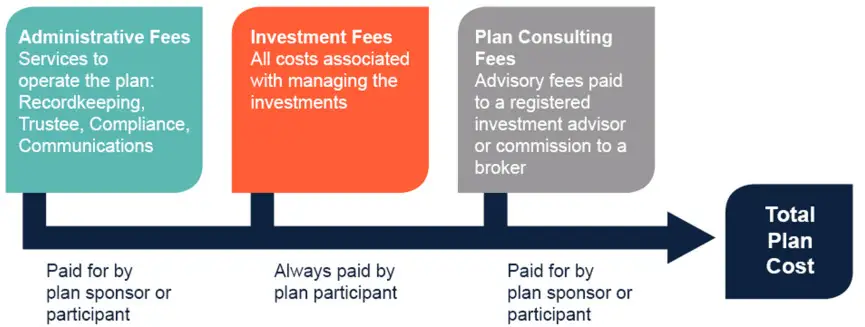
Retirement plan fees are complicated. Between administration, investment management, recordkeeping, consulting, revenue sharing, sub-TA and 12b-1, it isn’t always clear to plan participants or plan sponsors exactly what they’re paying, how much they’re paying or even who’s paying the fees.
Keep Your Plan Assets Safe
Cyber fraud is a growing concern globally. Individuals are typically very careful to keep their bank account and email authentication information safe, but they aren’t always smart with the rest of their personal information.
Target Date Funds—Does One Size Really Fit All?
If you have ever opened a brokerage account with an advisor, you know the first step is gathering information to determine the risk profile and appropriate investment allocation for the individual.
QDIA…Why is it important?

The qualified default investment alternative (“QDIA”) is arguably the most important investment in a plan’s investment menu. By far the most often selected QDIA investment is a target date fund (“TDF”). TDFs are typically the only investment selection that offers unitized professionally managed portfolios that reflect the participants’ time horizon today and as they go to and through retirement.
Excessive Fee Litigation: The Best Defense is Compliance

Excessive fee litigation is increasing at a steady pace and all signs are it will continue to increase. The positive side of this situation is that we now have more caselaw to consider as we work toward compliance in creating a “best defense”. Early caselaw did not reflect the consistency of court decisions. Some court rulings were in direct conflict with those of other courts, and some did not seem well reasoned.